Medela Easy Pour Breast Milk Storage Bags 50 Pcs
$28.89
$33.99
SAVE $5.10
4.5 out of 5

Reasons you might want to use a breast pump include: increasing milk supply, if you want to store extra breastmilk and helping to relieve engorged breasts.
The different types of breast pumps available are manual, electric, wearable and hospital grade.
When choosing a breast pump, consider your lifestyle and what you’ll need the pump for, as well as your budget.
Many breastfeeding mums will need to use a breast pump at some stage. But choosing one can feel confusing when you’ve already got a new baby to look after. Should you get electric or manual? A single or double pump? And does it need to be wearable or not?
To make things easier, here’s exactly what you need to consider and how to choose the best breast pump that works for your needs.A breast pump is a device that removes milk from your breasts. The pump creates suction that pulls and releases your nipple like a baby would. This makes your milk flow.
“Breast pumps are important because they give mums the flexibility to offer their baby breast milk when they aren’t available to breastfeed,” says Amy. “This can help in so many situations: if a partner or caregiver wants to take an active role in feeding; if a mum wants to return to work and ensure her baby is still getting the nutrients from breastmilk, or if a baby is struggling to feed.” Reasons to use a breast pump include:All breast pumps have a silicon suction cup (also known as a flange) that fits over your nipple, as well as a funnel and a collection bottle.
“No matter what sort of pump you choose, one of the most important things is to look at the flange size,” says Monique. “If you’re using a flange that’s too big or too small, this can cause damage to the breast.” The correct size will also help you express milk as efficiently as possible. You can ask a lactation consultant, GP or a child and family health nurse for advice on the correct flange size for you. Here are the different types of breast pumps to choose from:
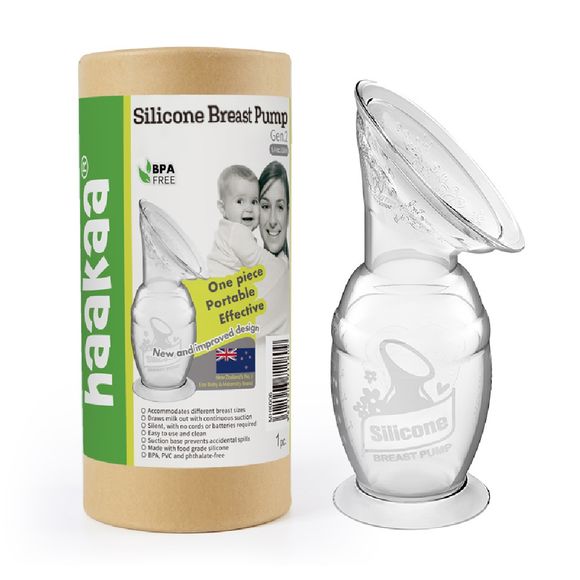
How it works: Manual breast pumps rely on you to squeeze a lever by hand to express the milk. Some manual pumps work by suction. They aren’t as strong or quick as an electric pump.
Who it’s best for: It works well for mums who express occasionally, or if you don’t have easy access to a power point when you need to pump.
Need-to-know info: The cheapest and quietest option. They are often small in size, making them convenient and easy to pop in your bag. Only available in single pump options.
How it works: Electric breast pumps use motors. These connect to the flanges, and create suction so your milk is released.
Who it’s best for: They’re great for if you have the ability to pump at home, and if you need to express frequently, as they’re much quicker than a manual pump. They come in single and double pump options.
Need-to-know info: Most electric breast pumps have several cables attached, which can make it tricky to move around while you’re pumping. They are generally more expensive than manual pumps.
How it works: Designed to be lightweight and portable, these are worn inside your bra. They usually run off a battery-powered motor, with the collection cups sitting outside your bra. As with electric pumps, the motor creates suction on your nipple to release milk.
Who it’s best for: These are great for mums who are on the go or want a portable option. They are stronger than manual pumps and can have the same strength motor as electric pumps. They come in both single and double pump options.
Need-to-know info: Wearable breast pumps are usually the most expensive option.
How it works: Hospital-grade pumps have a stronger motor than most electric pumps, allowing you to express as efficiently as possible.
Who it’s best for: Mums who need to help their milk come in during the first few days after birth, and mums who have premature babies who can’t feed on their own yet.
Need-to-know info: You may not need a hospital-grade breast pump for the long-term, so they’re available to hire in some states as a more cost-effective option.
If the flange is too big or too small, it can cause damage to the breast and affect how efficiently you express. Ask a lactation consultant, GP, or child and family health nurse for advice on the correct flange size for you.