Exclusive

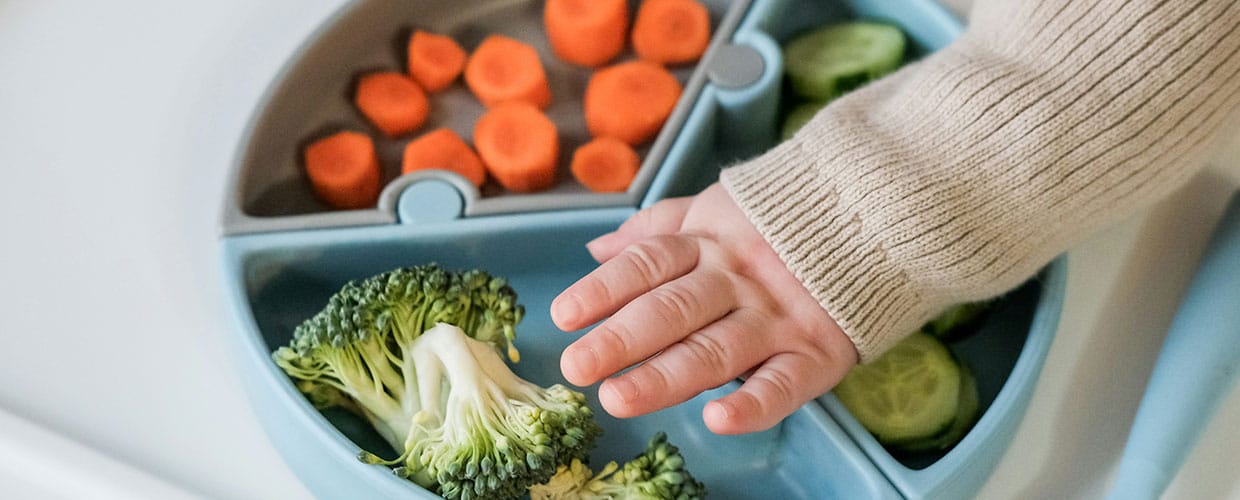
Little Rawr My First Feeding Set - Farm 6 Piece
$39.99
4 out of 5
Food fussiness is common in young children.
From around 12 months, most babies can eat anything you put in front of them. Avoid choking hazards such as whole nuts, popcorn or corn chips and cut up grapes and cherry tomatoes.
Strategies for overcoming fussy eating include being consistent, not making a big deal out of food refusal, cutting back on milk consumption and always putting one ‘safe’ food that you know they like on their plate.
Family mealtime is the chance to sit down and spend time together, enjoy good food and create rituals. This sounds great in theory, but add in a toddler not eating or who is going through a stage of only wanting milk or beige foods and it’s not always that easy.
Parents often describe their toddlers and preschoolers as picky eaters. And between not wanting to sit at the table, only eating snacks or throwing spaghetti at the cat, fussy toddlers can be a source of stress for some parents.
“Between the ages of six to 12 months, most babies eat anything you put in front of them,” says paediatric dietitian Kat O’Brien. “Then, from around 12 months, their growth slows, they might be teething, starting childcare, and developing their own food preferences. This can mean feeding toddlers isn’t always straightforward.”
If you look at eating as a learned skill for your toddler, it can help take out some of the frustration for you. Try these tips to help:
“It’s developmentally normal for kids to be selective in what they eat,” says Kat. “Their appetites often reduce around this age, and they’re developing preferences of their own. Generally it takes being exposed to a food 15 times before a toddler learns to like it – or even try it.”
It might be easier said than done but try not to make a big deal out of it when your toddler refuses food. “Your job is to offer and expose your child to different foods,” says Kat. “It’s up to them to decide if they’ll eat it. Model eating lots of different types of food but without any pressure; don’t comment on what they are and aren’t eating.”
“Make other foods available, but don’t worry if they don’t get eaten,” says Kat. “Toddlers often struggle with fruit and vegetables because the taste and texture isn’t always consistent. Eating is a big sensory experience; it can take a while for them to get used to it.”
“Make sure they’re not drinking more than 500ml of milk a day; this can reduce appetite,” says Kat.
”Sometimes being put in a highchair can feel restrictive; changing how they sit at the table can sometimes encourage eating. Remove distractions such as toys or screens from the table,” advises Kat.
“Don’t force it when it comes to veggies,” says Kat.” Try mixing things up. “Cook veggies in different ways, or add new flavours or spices, serve it with a food they already like, in a fun or interesting way or let them serve themselves," says Kat.
“From around 12 months, toddlers can eat most foods within reason,” says Kat. She advises giving them a plate at mealtimes that has:
A protein and iron-rich option, such as chicken, red kidney beans, tofu, tuna, minced meat. Peanut butter, eggs, cheese, hummus, yoghurt are all good protein options too
A carbohydrate or grain option such as noodles, pasta, wholemeal bread, quinoa, brown rice or porridge
Fruit and veggies such as apples, pears, cherry tomatoes, grapes, strawberries, blueberries, bananas, watermelon, cantaloupe or avocado.
Some foods still need to be modified at this age. These are the general guidelines:
Cut up round and oval foods like cherry tomatoes and grapes to avoid them being a choking hazard
Smooth not crunchy nut butters are more appropriate
Avoid choking hazards such as whole nuts, popcorn or corn chips
“Cut meat into thin slices rather than chunks so it’s easier to chew and swallow,” advises Kat.
When it comes to processed foods high in sugar and salt, it’s all about moderation. “While this type of food isn’t for every mealtime, it’s important not to put it on a pedestal,” says Kat. “It’s okay in moderation; at birthdays, if you’re out for dinner, or if older siblings are eating it sometimes.”
Learning to eat at the table with the rest of the family role models good habits for your child, and they will learn skills like using utensils and other table manners from watching. The earlier you encourage your toddler to sit at the table to eat, the easier it is. “This challenge often starts at around age two when they’re no longer strapped into a high chair,” says Kat. “Let them know there are certain expectations around meal time; when they get up from the table, the meal is over. Offer cutlery and cups so toddlers can learn how to scoop and pick things up. This also makes them feel as though they’re involved in what the rest of the family is doing.”
If your toddler is eating fewer than 20 foods, emitting whole food groups, struggling with certain textures or isn’t meeting developmental milestones it could be worth speaking to your GP about your concerns and booking in to see a paediatric dietitian, Kat advises.
“I encourage parents to look at their toddler’s nutrition over a whole week rather than just one meal,” says Kat. “This often helps us realise they’re getting what they need. Knowing you’re seeking help can reduce stress around mealtimes, which in turn can help the situation.”