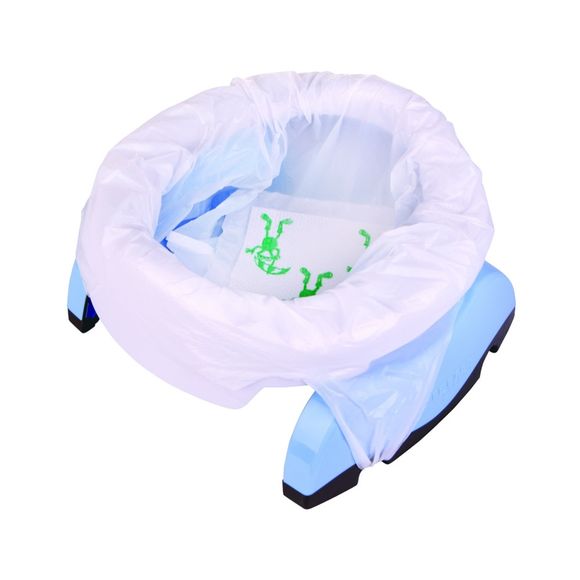
Baby U Potette Plus Liners 10pk
$6.76
$7.95
SAVE $1.19
5 out of 5
Toilet training is a big milestone, and not just for your child. It can be a source of pride when they make progress, but can also feel stressful for parents if things don’t go smoothly.
“Toilet training is a process that requires time and patience,” says Anne Ferrie, continence nurse. “Using the toilet or potty is a learned skill. Being kind to yourself and patient with your little one can make the process a lot easier.”
Most toddlers are ready to be toilet trained between the ages of two and three. “Research shows that girls are usually ready to toilet train around six months earlier than boys. This is because [in general] they’re developmentally six months ahead of boys at this age,” explains Anne.
There are a few signs that show your toddler is ready to start toilet training, says Anne. They include:
“These physical signs can mean you have a good window to try and toilet train,” says Anne.
There is no need to rush the toilet training process, if they have no interest in using a potty or the toilet, or you are still frequently changing their nappies or they are showing a lot of resistance, it’s OK to stop the process and pick it up again when they’re showing signs of being ready.
“Learning to go to the toilet is a conscious process,” says Anne. “If there are lots of other things going on in your child’s environment, such as moving house or welcoming a new baby into the family, it’s harder for them to consciously recognise a signal from their body that says ‘I need to do a wee’. When they’re thinking about other things, toilet training can be more difficult.”
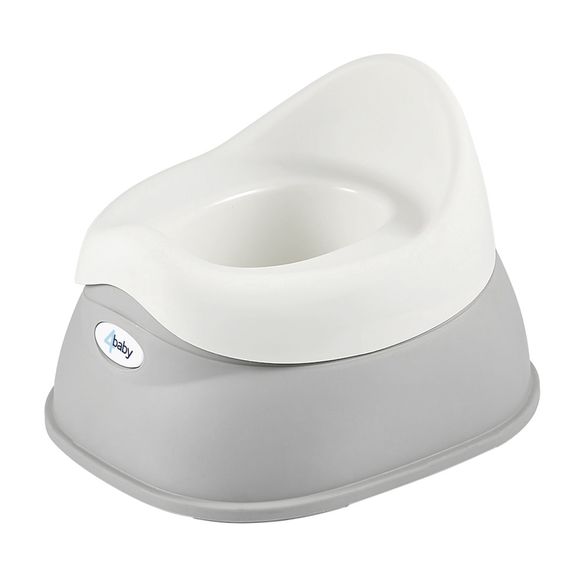
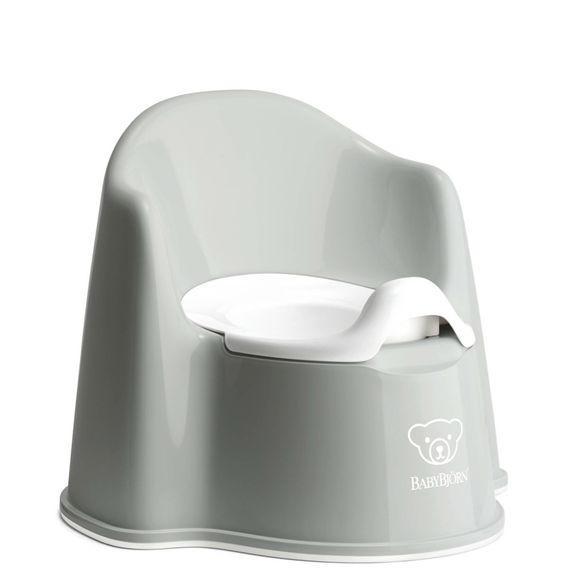
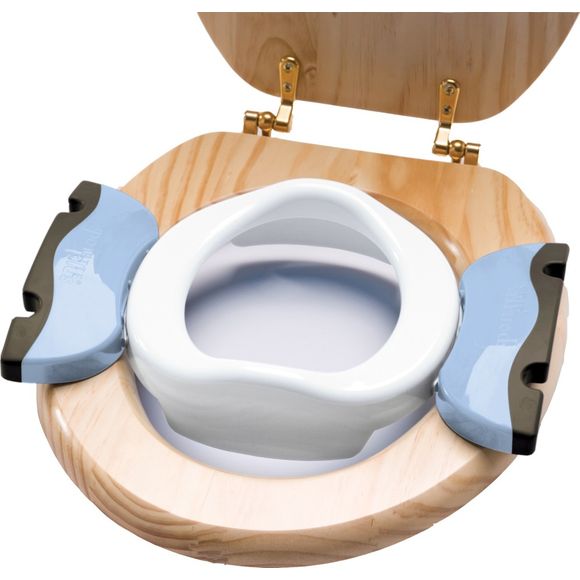
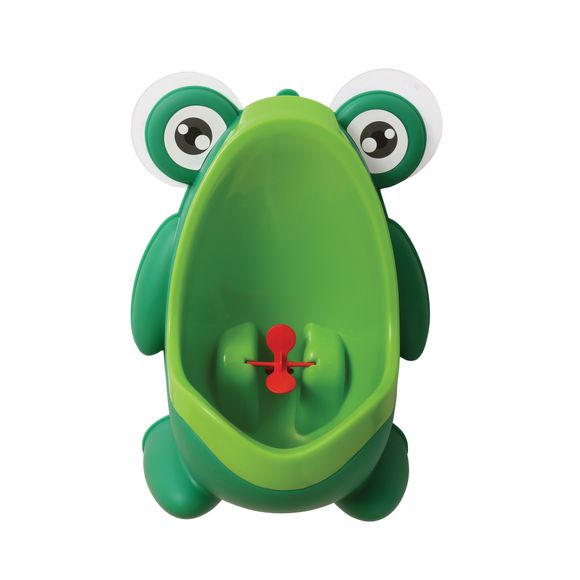
Children usually start toilet training either using a potty or the toilet. If you have chosen to use a potty first, this can be used before your child shows signs of wanting to use the toilet. A potty can be placed in the living room or playroom and can help get your toddler familiar with sitting on it. While they play, you can talk to them about the potty, what it is and why they should use it. This will help build their confidence before they start training.
Training pants are great for getting your little one used to the sensation of ‘wetness,’ as they are not very absorbent, so when your child does a wee or a poo, they will not feel as comfortable as they usually do with a nappy.
Training pants can also help children notice their body signs for when they need to go. They might start to take more notice of having a full bladder and what that feels like. As time goes on and they feel more uncomfortable, they will begin to tell you when a change is needed or show more interest in using the toilet when they feel the need to go.
It’s recommended that you use nappies for night time. However, if you have chosen not to put nappies on your child during the night, then investing in a waterproof mattress protector or underlay will help to maintain the hygiene of their mattress in case of any accidents. In the morning, remove the fitted sheet and mattress protector to be washed.
If you are using the toilet rather than a potty, you’ll need two essential items, says Anne.
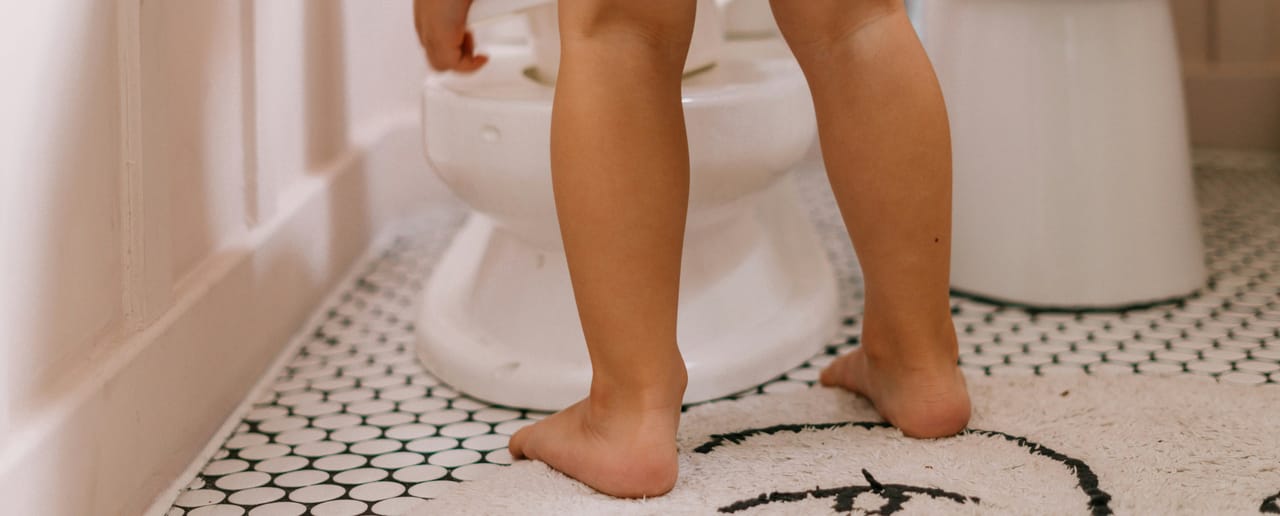
“When little ones are learning to poo, they need to be able to put their feet flat so their body is in the right position. This means they usually need a step to rest their feet on.”
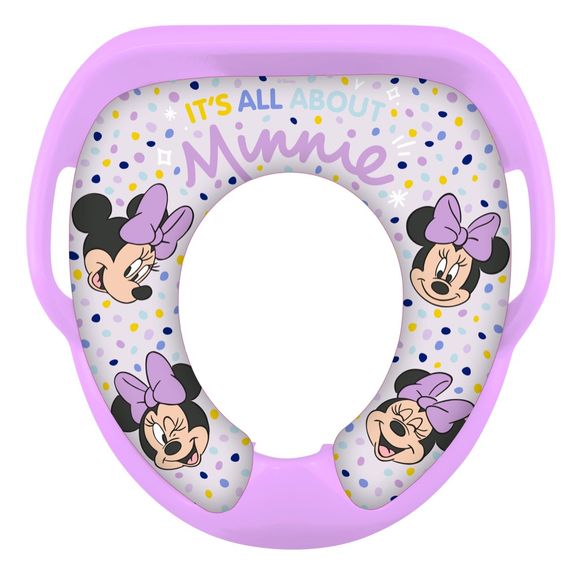
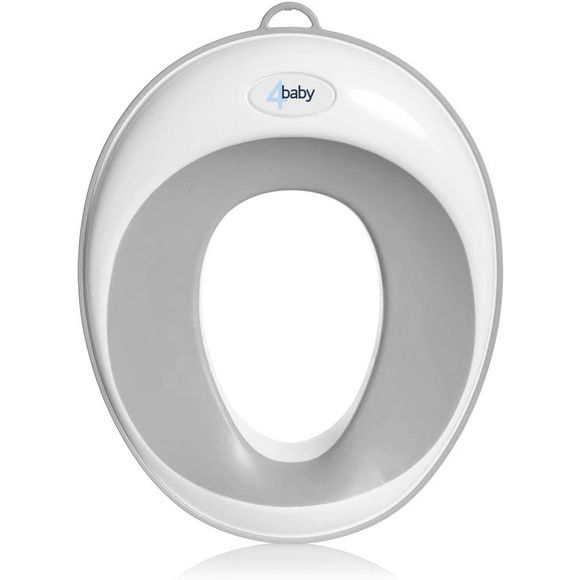
You may also need a special toilet seat. “Children need the hole in the middle of the toilet to be smaller, so they feel balanced and secure,” says Anne. “If they don't feel secure, they’ll clench their muscles, which won’t help them go to the toilet.”
Make sure your child has clothes they can easily pull down on their own. Don’t dress them in anything with buttons or zips while you’re toilet training. When it comes to undies, “either pull-ups or underpants are fine,” says Anne.
It’s helpful to start on a weekend or a long weekend without many activities happening. As toilet training is a big change for your little one, staying at home and going about your regular routine without much distraction is the best way to keep your toddler from feeling overwhelmed.
Before you’re ready to start toilet training, get your little one used to sitting on the toilet or potty, advises Anne. “Sit them on it for a few seconds before the bath. It doesn’t matter if they don’t do anything.”
“Keep it low-key; you don’t need to read books or buy presents,” says Anne. “The less it becomes built up, the less pressure there is on everyone.”
Take your toddler to the toilet every 90 minutes. “Say ‘it’s time for a try’ rather than asking if they need to go,” advises Anne.
If they don’t do anything the first time, try again in five minutes. “Most children this age are building up their bladder capacity. Sometimes trying again can encourage them to go.”
“Some children poo at the same time every day, or around 30 minutes after a meal,” says Anne. “If this is the case, take them to the toilet during this window to maximise success.”
“It’s great to say ‘good job’ if they go, but don’t make a huge fuss,” advises Anne. “Saying things such as ‘you’re a big girl now’ creates cause and effect, which can cause a bit of stage fright.”
It doesn’t have to be all or nothing. “It might be easier to try toilet training in the morning then put a nappy on your child for the afternoon,” says Anne. “If it works for them to go nappy-free at the weekend but wear a nappy when they’re at daycare, that’s fine. Some children will wee in the toilet but still want to poo in their nappy for a while. That’s okay too. Toilet training doesn’t have to be done in a totally linear way.”
“Don’t expect children to be able to wipe their bottoms straight away,” says Anne. “They often physically can’t reach around until they’re around three and a half.”
Teach handwashing as part of the toileting process. “Show your child how to wash their hands. Include it in the process so they know it should always happen as the last step of going to the toilet.”
If you’re going out and about when you’re toilet training, have wipes and a spare change of clothes with you. Knowing where the nearest toilet is can be helpful, too.
Accidents will happen. When they do, it’s important to be neutral about it. “Avoid saying things like ‘you should have done that wee in the toilet’ as this points blame,” advises Anne. “Use phrases such as ‘oh, it looks like a wee has sneaked out.’ Try not to point blame but rather point out what’s happened.”
Time pressures can make things stressful. “Don’t expect your child to be toilet trained in the space of a two-week holiday. It can often take six months, so be realistic about your expectations.”
Some children who can use the toilet for wees will refuse to poo in the toilet or run away/hide when they need to poo. Causes and solutions for this can include:
“You can’t toilet train your child to be dry at night,” explains Anne. And restricting drinks before bed and waking children for a wee before you go to bed doesn’t help, she says.
“Being dry at night comes when the brain releases enough of a hormone called vasopressin.” Nighttime toilet training generally takes longer, and many children have night-time bladder control by ages 5-7.
Potty training will have its fair share of difficulties and mishaps. During such instances, remember that you are an adult and exercise patience. While it is understandably frustrating, remember that your toddler didn’t mean to cause you stress!
When accidents do happen, avoid doing the following: