

Exclusive

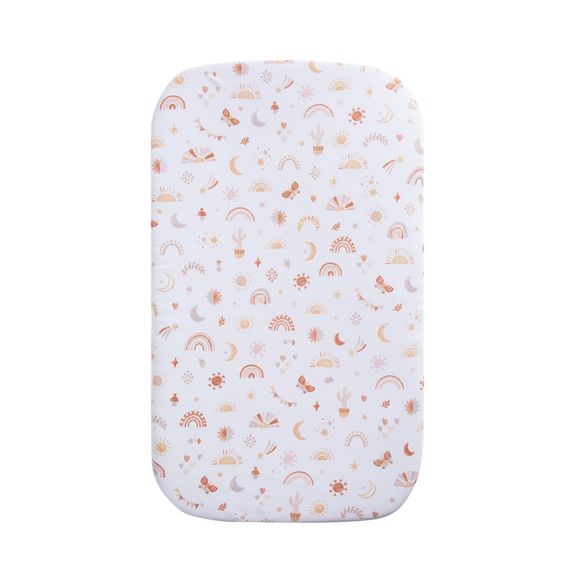
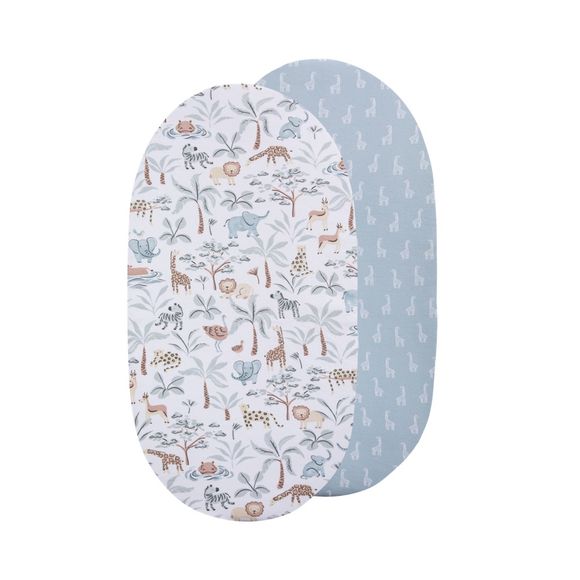
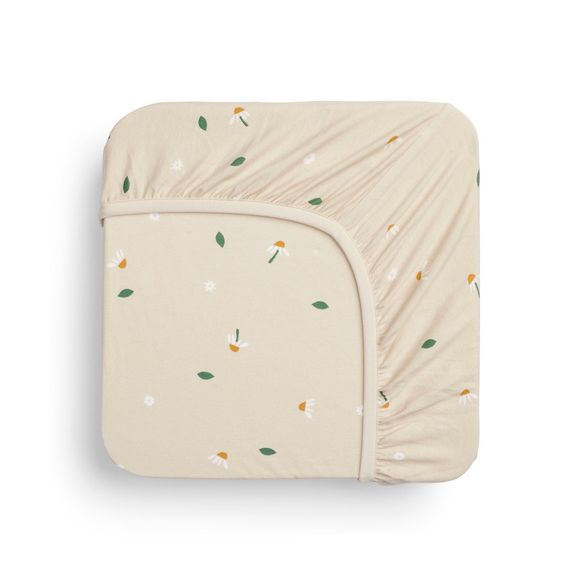
Bubba Blue Organic Bedside Sleeper Fitted Sheet 2 Pack Chestnut
$38.21
$44.95
SAVE $6.74

.png?quality=80&format=webp&width=3840)
Bedside sleeper sheets are fitted sheets designed for non-standard bedside sleeper mattress sizes
Proper fit is essential for safe sleep (sheets must be snug without bunching or coming loose)
Available in cotton, organic cotton, bamboo and hypoallergenic materials
Check compatibility with your specific bedside sleeper brand and mattress shape
Most parents need 2-3 sheets for washing rotation
Having your newborn close by at night makes those midnight feeds and checks so much easier. Bedside sleepers (co-sleepers) give you that closeness while maintaining a safe separate sleeping space. The thing is, their unique mattress size means you need sheets designed specifically for them. Regular bassinet or cot sheets won't fit properly and when it comes to newborn sleep, proper fit isn't just about comfort, it's about safety.
Bedside sleeper sheets are fitted sheets designed for the unique mattress sizes in bedside sleepers (co-sleepers). Regular sheets won't fit these non-standard shapes and loose fabric poses risks, so sheets must fit snugly without bunching.
Safety and comfort drive the design of bedside sleeper sheets:
Fitted vs elasticated edges – Deep elastic edges hold sheets firmly in place even when your bub moves. Fitted corners prevent bunching or lifting during sleep.
Breathable materials – Natural fabrics allow air circulation, reducing overheating risk. Important for newborns who can't regulate temperature well yet.
Snug fit for overnight safety – Sheets tailored to specific mattress dimensions stay taut and smooth. Loose fabric can pose suffocation risks, so proper fit is critical for safe sleep practices.
Different materials offer different benefits for your newborn's sleep:
Cotton – Soft, breathable and machine washable. Gets softer with each wash. Perfect for everyday use and gentle on newborn skin.
Organic cotton – Made using cotton fibres grown to organic standards. Chosen for its softness and suitability for everyday newborn wear.
Bamboo / breathable blends – Naturally temperature-regulating and hypoallergenic. Extremely soft and moisture-wicking for comfortable sleep.
Hypoallergenic options – Specially treated or naturally resistant to dust mites and allergens. Ideal for babies with eczema or skin sensitivities.
You can also check out our baby sleep essentials guide for more recommendations.
Not all bedside sleepers use standard mattress sizes, so compatibility matters:
Brand-specific fit – Many bedside sleepers require sheets made for that specific model. Check your sleeper's brand and model before buying sheets.
Mattress depth considerations – Measure your mattress depth (thickness). Sheets with deeper pockets accommodate thicker mattresses without pulling loose.
Oval vs rectangular mattresses – Some bedside sleepers have oval or uniquely shaped mattresses. Standard rectangular sheets won't fit, you need the correct shape.
Wash sheets before first use to remove manufacturing residue and soften fabric. Machine wash in warm water with gentle, baby-safe detergent. Avoid fabric softener as it reduces absorbency and can irritate newborn skin. Tumble dry on low or line dry to preserve elastic. Have multiple sheets so you always have clean ones during baby sleep regression phases when accidents are more frequent.
Understanding your baby's sleep cycle can also help you prepare for frequent sheet changes during the early months.
The right sheets might seem like a small detail, but when it comes to newborn sleep safety, every detail matters. Proper fit keeps your baby safe and having enough clean sheets on hand keeps you sane during those sleep-deprived early weeks.
For babies, natural breathable fabrics like cotton and bamboo are most comfortable. They regulate temperature, feel soft against skin and improve with washing. Organic cotton is gentlest for newborns.
Wash bedside sleeper sheets at least once a week, more often if there are spit-ups, leaks, or accidents. Having 2-3 sets lets you maintain this schedule easily.
Yes. Bedside sleepers often have non-standard mattress sizes and shapes that regular bassinet sheets won't fit. Always check compatibility with your specific model.
Very snug, because this is a non-negotiable safety thing. You shouldn't be able to pull up more than a finger's width of fabric. If the sheet bunches or lifts easily, it's too big.
At minimum 2-3 sheets for rotation while washing. Some parents prefer 4-5 during the newborn stage when leaks are more frequent.
No. Cot sheets are designed for larger, standard-sized mattresses. They'll be too big and won't fit securely, creating safety risks. Always use sheets designed for your specific bedside sleeper.