


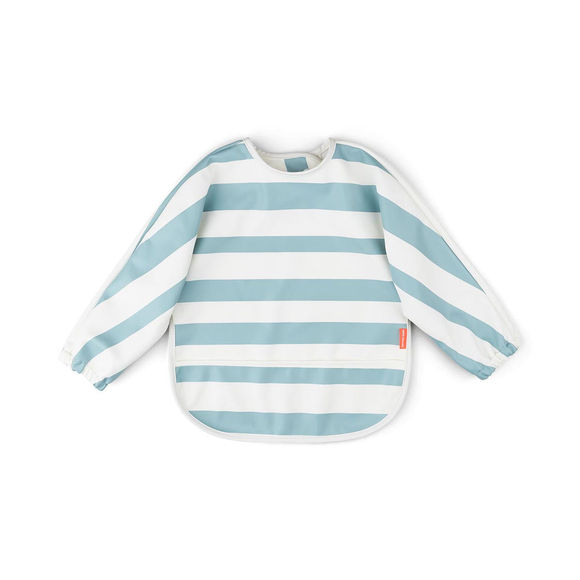
Plum Smock Bib Blush Pink
$19.95
4.5 out of 5

.png?quality=80&format=webp&width=3840)
Smock bibs offer full-coverage protection with long sleeves and extended front coverage
Perfect for baby-led weaning, messy play, painting and self-feeding practice
Available in waterproof, sleeve, and lightweight designs
Keep clothes clean during the messiest stages of eating and playing
Easy to wipe clean or machine wash (depending on material).
Regular feeding bibs catch dribbles, but when your toddler is finger-painting with bolognese or smooshing avocado everywhere, you need more coverage. Smock bibs offer full-coverage protection with sleeves. They are the difference between changing outfits after every meal and just wiping down a bib.
A smock bib is a full-coverage bib with long sleeves and extended front protection for messy meals and play. Unlike regular bibs, they protect arms, front and sometimes back, with waterproof materials and elasticated cuffs at wrists and neck.
Smock bibs shine in particularly messy situations:
Baby-led weaning – When babies are learning to self-feed and food goes absolutely everywhere. Full coverage saves countless outfit changes.
Spoon-feeding – Especially with saucy or colourful foods like bolognese, curry, or anything with beetroot. Protects sleeves from enthusiastic arm-waving.
Messy play / arts & crafts – Finger painting, play dough, sand play, or any activity where mess is part of the fun. Keeps clothes underneath completely clean.
Learning to drink – When mastering cups and bottles and spills are frequent.
Different materials and styles suit different needs:
Waterproof smock bibs – Made from waterproof polyester or coated fabrics that repel liquids completely. Wipe clean with a cloth, ideal for very messy eaters.
Sleeved smock bibs – Full-length sleeves with elasticated cuffs protect arms from elbow to wrist. Essential for baby-led weaning and painting.
Lightweight vs full-coverage designs – Lightweight smocks fold easily for travel. Full-coverage designs offer maximum protection including back coverage and longer lengths. For general mess management, silicone bibs are also a great option.
Pair smock bibs with practical highchairs and other baby feeding accessories for a complete mealtime setup.
We recommend pondering these things when making your choice:
Size & coverage – Check sleeve length, bib length and whether it covers the back. Some grow with your child, others are sized by age.
Neck and wrist fastening type – Velcro is quick but can snag in the wash. Snap buttons are durable. Elastic is easiest but less adjustable.
Breathability & comfort – If your child will wear it for extended periods (like during messy play sessions), choose breathable materials that won't overheat them.
Ease of cleaning – Wipe-clean materials save time. Machine-washable options are convenient for regular use. Check care instructions before buying.
Smock bibs won't prevent the mess. They let your toddler enthusiastically explore every texture and fling food with abandon, but in a contained environment. Less laundry, more freedom to let them learn and play without worrying about ruined outfits. Worth every penny.
Bandana bibs (triangular dribble bibs) are typically for younger babies from newborn to around 12 months for catching drool and milk dribbles. Smock bibs are better suited for 6 months onwards when babies start solids and need more coverage.
Most smock bibs slip over the head like a shirt, which can be tricky with wriggly toddlers. Look for styles with back openings or side fastenings for easier dressing. It gets quicker with practice!
Smock bibs offer significantly more coverage, protecting arms, front and sometimes back. Regular bibs are better for quick meals and drool. Most parents keep both types for different situations.
Many are waterproof or water-resistant, especially those designed for mealtimes. Check product descriptions as some fabric-coated smocks are splash-resistant but not fully waterproof.
It depends on the material. Most fabric-coated smocks are machine washable. Plastic and silicone ones should be wiped clean or hand washed. Always check care labels.
Yes, they're excellent for baby-led weaning as they protect clothes during the messiest learning phase. We just recommend that you check sleeves aren't too loose to interfere with hand-to-mouth coordination.